Medical Industry
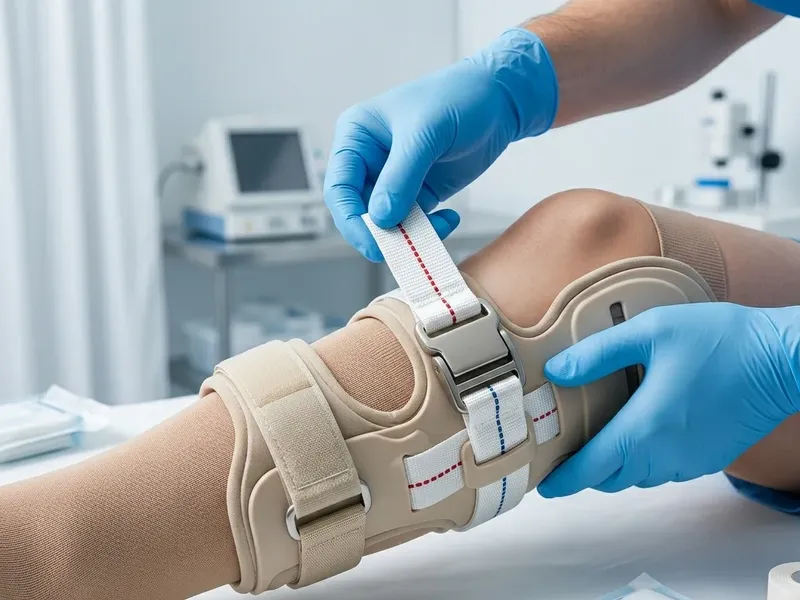
Industry Image
Medical Industry
Medical Industry Products
Explore our webbing products engineered for the medical industry industry. Click any product for detailed technical specifications.
 Excellent EW-HD-001
 Heavy Duty Elastic Webbing
High-strength elastic webbing designed for safety, orthopedic and industrial support applications.
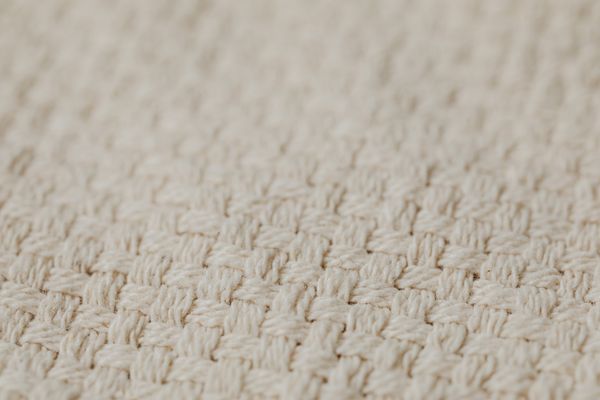
Eco-Friendly CW-NT-002 Natural Cotton Webbing
Eco-friendly natural cotton webbing with soft texture and sustainable appeal.
Industry Details
Detailed description and technical context for Medical Industry.
Overview
The medical industry encompasses the manufacture and supply of equipment, devices, and consumables used in hospitals, clinics, rehabilitation centers, and home healthcare settings. The global medical devices market exceeds USD 500 billion annually, with patient handling, mobility, and support equipment representing a substantial and steadily growing segment driven by aging populations and expanding healthcare infrastructure. Webbing is a critical component in this industry because it forms the structural and functional basis of patient restraints, slings, straps, and support harnesses that must be simultaneously strong, skin-safe, and repeatedly sanitizable without degradation.
Key Requirements & Specifications
Medical webbing must meet stringent performance and safety criteria that differ from industrial or general-purpose applications. The following specifications reflect realistic requirements for patient care and medical equipment use:
- Tensile strength: 800 to 6,000 lbs (3.5 to 27 kN) depending on application; patient lifting slings typically require 2,500 to 6,000 lbs breaking strength, while positioning and restraint straps range from 800 to 2,000 lbs.
- Width range: 15mm to 50mm for most medical straps, with 25mm and 38mm being the most common standard widths for restraints, slings, and equipment fastening.
- Thickness: 1.0mm to 2.5mm, balancing strength against softness and low profile to avoid pressure points on patient skin.
- Elongation: elastic medical webbing typically provides 30 to 60 percent stretch recovery for compression and support applications; non-elastic load-bearing webbing maintains under 10 percent elongation at rated load.
- Temperature resistance: stable performance across minus 20 degrees C to 120 degrees C, allowing autoclave-adjacent handling, machine washing at 60 to 90 degrees C, and steam or chemical sterilization cycles.
- Chemical resistance: resistant to common medical disinfectants including chlorine-based solutions, quaternary ammonium compounds, hydrogen peroxide, and 70 percent isopropyl alcohol without significant loss of tensile strength or fiber breakdown.
- Abrasion resistance: minimum 15,000 cycles under Martindale or equivalent testing to withstand repeated use, washing, and friction against equipment hardware.
- Skin safety and hygiene: low-lint, non-abrasive surface finish, colorfast dyeing, and compatibility with OEKO-TEX Standard 100 requirements to ensure the material is free of harmful substances in prolonged skin contact.
Recommended Webbing Solutions
Knitted Elastic Webbing: Its interlocked knit construction delivers smooth, consistent stretch with 30 to 60 percent elongation and soft edges, making it well suited for compression supports, limb positioning straps, and adjustable fastenings where controlled tension against the skin is required. The knit structure resists curling and provides a flatter, more comfortable contact surface than woven elastic.
Soft Cotton Webbing: The natural fiber surface is breathable, hypoallergenic, and gentle against skin, making it appropriate for patient restraints, sling padding layers, and any application requiring extended direct skin contact with minimal irritation risk. Cotton also tolerates repeated hot washing and standard disinfectants well.
Heavy Duty Elastic Webbing: For load-bearing yet flexible applications such as patient transfer slings, mobility harnesses, and equipment mounting straps, this webbing combines elasticity with tensile strength in the 2,500 to 6,000 lbs range, providing both give and reliable holding capacity under dynamic patient loads.
Natural Cotton Webbing: An untreated or minimally treated natural cotton option ideal where chemical exposure must be minimized, offering a clean, low-lint surface for bandaging supports, hygiene-sensitive straps, and reusable medical textiles that undergo frequent laundering.
Industry Applications
Patient transfer and lifting slings: Heavy Duty Elastic Webbing and reinforced woven webbing form the load-bearing loops and support panels of ceiling-hoist and mobile-lift slings, where breaking strength of 2,500 lbs or greater is required to safely handle patient weight during transfers.
Medical restraints and positioning straps: Soft Cotton Webbing and knitted elastic straps secure patients safely to beds, wheelchairs, and operating tables, prioritizing skin-safe contact surfaces and controlled tension to prevent pressure injuries during immobilization.
Orthopedic and rehabilitation supports: Knitted Elastic Webbing is used in adjustable braces, limb slings, and compression supports where 30 to 60 percent stretch provides therapeutic tension while accommodating movement and swelling.
Prosthetic and mobility device straps: Elastic and heavy-duty webbing serve as attachment and suspension straps on prosthetics, orthotics, and mobility aids, balancing secure fastening with wearer comfort over extended daily use.
Wheelchair and equipment fastening: Durable 25mm and 38mm webbing straps anchor cushions, positioning components, and accessories to wheelchairs and hospital beds, requiring high abrasion resistance for repeated adjustment.
Home healthcare and hygiene textiles: Natural Cotton Webbing supports reusable, washable straps and supports for home care environments, where frequent laundering at 60 degrees C or higher and skin compatibility are primary concerns.
Customization & Wholesale
WebbingMaker supplies medical-grade webbing to global wholesale and bulk buyers with customization across construction, dimensions, and finishing.
Minimum order quantity: standard MOQ is 500m per specification and color for stock constructions; custom-developed webbing typically requires a 1,000m to 3,000m MOQ depending on yarn, width, and dyeing requirements.
Custom widths and thickness: available from 15mm to 50mm with thickness options from 1.0mm to 2.5mm, produced to buyer tolerances for specific device and hardware compatibility.
Colors and dyeing: custom color matching to Pantone references, with colorfast, OEKO-TEX compatible dyeing suitable for repeated disinfection and hot washing; standard medical whites, blues, and greys are commonly stocked.
Printing and marking: custom logo printing, load-rating labels, size markings, and directional indicators can be applied for OEM and branded medical products.
OEM and private label: full OEM production is available including material development, custom weave or knit patterns, edge finishing, and packaging to buyer specification, with support for regulatory documentation such as OEKO-TEX Standard 100 certification and material safety data.
Lead time: standard stock orders ship within 7 to 15 days; custom-developed orders typically require 25 to 40 days including sampling, bulk production, and quality inspection. Sampling lead time is generally 7 to 10 days.
Export capabilities: as a China-based manufacturer, WebbingMaker exports worldwide via FOB and CIF terms from major Chinese ports, with experience serving buyers across North America, Europe, the Middle East, and Southeast Asia. Container and LCL shipments are both supported, and quality inspection reports and export documentation are provided with each shipment.
Need Medical Industry Solutions?
Our engineering team understands the unique compliance and performance requirements of the medical industry sector.
Request a Technical Quote