Outdoor Equipment Industry
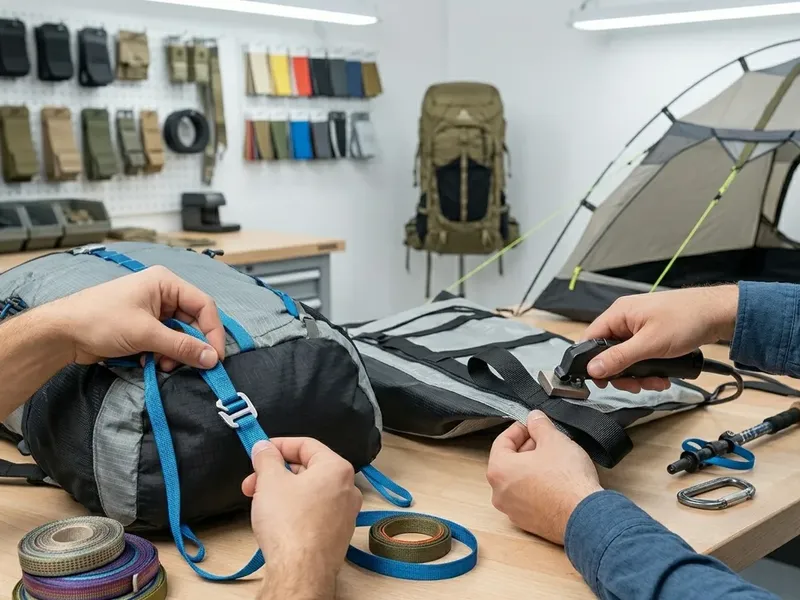
Industry Image
Outdoor Equipment Industry
Outdoor Equipment Industry Products
Explore our webbing products engineered for the outdoor equipment industry industry. Click any product for detailed technical specifications.
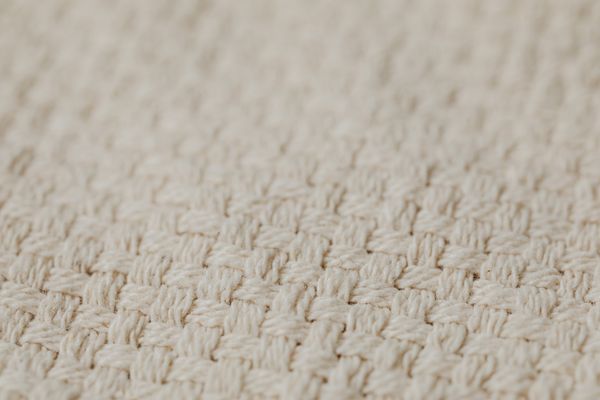 Superior PW-OD-005
 Outdoor Polyester Webbing
Weather-resistant polyester webbing engineered for outdoor gear and adventure equipment.
Lightweight PPW-HD-001 Heavy Duty Polypropylene Webbing
Cost-effective heavy-duty polypropylene webbing for industrial, outdoor and cargo applications.
Superior UW-MR-005 UHMWPE Marine Webbing
Corrosion-resistant UHMWPE webbing designed for marine and offshore applications.
Industry Details
Detailed description and technical context for Outdoor Equipment Industry.
Overview
The outdoor equipment industry encompasses the design and manufacture of gear for camping, hiking, climbing, mountaineering, water sports, and expedition travel, with the global outdoor gear and equipment market valued at over USD 15 billion annually and growing at roughly 4-6 percent per year. Webbing is a structural component in this industry, forming the load-bearing and adjustable elements of backpacks, tents, harnesses, tie-downs, and cargo systems where failure is not an option. Because outdoor gear is exposed to prolonged sunlight, moisture, abrasion, and temperature extremes, the webbing specified must combine high tensile strength with UV stability and weather resistance to maintain performance across the product's service life.
Key Requirements & Specifications
- Tensile/breaking strength: Load-bearing outdoor applications typically require webbing rated from 1,500 lbs (6.7 kN) for pack straps and compression systems up to 8,000 lbs (35.6 kN) for heavy-duty cargo lashing and recovery straps. Climbing and life-safety applications follow stricter standards, often 22 kN (approximately 5,000 lbs) minimum.
- Width range: Standard outdoor webbing widths run from 10mm, 15mm, 20mm, 25mm, 38mm, and 50mm, with 25mm and 38mm being the most common for pack straps and tie-downs. Widths up to 100mm are available for heavy cargo and load-distribution panels.
- Thickness: Typical webbing thickness ranges from 1.0mm to 2.5mm depending on material and construction, balancing strength against pack weight and buckle compatibility.
- UV resistance: Webbing should retain a minimum of 80 percent of original tensile strength after 500 hours of accelerated UV exposure (per QUV/xenon-arc testing), critical for gear left in prolonged sunlight.
- Abrasion resistance: Materials should withstand a minimum of 10,000 to 25,000 cycles under Martindale or Taber abrasion testing, reflecting repeated contact with rock, buckles, and rough surfaces.
- Temperature range: Operational stability from -40°C to +80°C (-40°F to +176°F) to cover alpine cold and desert heat without becoming brittle or losing tensile integrity.
- Chemical and moisture resistance: Resistance to saltwater, mild acids, alkalis, mildew, and rot, with water absorption kept below 1 percent for polyester and near-zero for polypropylene and UHMWPE.
- Elongation: Low-stretch construction is preferred for load-bearing use, typically 10-20 percent elongation at break for polyester and under 5 percent for UHMWPE, ensuring dimensional stability under load.
Recommended Webbing Solutions
Outdoor Polyester Webbing — Polyester is the default choice for most outdoor gear because it offers high UV resistance, low water absorption, and minimal stretch under load. It holds its dye and dimensions after prolonged sun exposure, making it ideal for pack straps, tent guy-lines, and adjustable closures where consistent performance matters.
Heavy Duty Polypropylene Webbing — Polypropylene provides a lightweight, cost-effective, and fully waterproof option that floats and resists mildew, making it suitable for high-volume gear where weight and moisture resistance are priorities. It fits budget-conscious tie-downs, straps, and accessory webbing, though it should be specified with UV stabilizers for extended outdoor exposure.
UHMWPE Marine Webbing — Ultra-high-molecular-weight polyethylene delivers the highest strength-to-weight ratio, near-zero water absorption, and excellent abrasion and chemical resistance, making it the premium choice for marine, sailing, and expedition applications. It supports high breaking strengths at reduced weight and width, ideal for rigging, lashing, and load-critical systems in wet environments.
Reflective Polyester Webbing — This combines the durability and UV stability of polyester with woven-in or laminated reflective yarn for low-light visibility. It suits safety-critical gear such as dog harnesses, night-hiking packs, and rescue equipment where visibility improves user safety without sacrificing structural strength.
Industry Applications
- Backpacks and technical packs: Shoulder straps, sternum straps, hip belts, and compression systems use 20mm to 38mm polyester webbing rated 1,500-2,500 lbs, chosen for its low stretch and abrasion resistance under daily load cycling.
- Tents and shelters: Guy-lines, pole attachment points, and stake loops rely on UV-stable polyester and polypropylene webbing that resists sun degradation and repeated tensioning across seasons of exposure.
- Climbing and safety harnesses: Life-safety applications require certified webbing meeting 22 kN minimum breaking strength, with tight weave tolerances and full traceability for load-bearing slings and harness construction.
- Cargo tie-downs and recovery straps: Heavy-duty polyester and polypropylene webbing in 38mm to 50mm widths rated 5,000-8,000 lbs is used for securing gear on vehicles, trailers, and expedition transport.
- Marine and watersports gear: UHMWPE and treated polyester webbing serve kayak lashings, sail rigging, dry-bag closures, and paddleboard tie-downs where saltwater and constant wetting demand low water absorption and corrosion-proof performance.
- Reflective safety gear: Reflective polyester webbing is applied to harnesses, leashes, hydration packs, and rescue equipment to improve visibility in dawn, dusk, and night conditions without compromising strength.
Customization & Wholesale
WebbingMaker supplies global wholesale and bulk buyers with a minimum order quantity starting at 500m per specification for standard stock constructions, with lower sample runs available for product development and testing. Custom production typically begins at 3,000-5,000m per color or specification for made-to-order runs.
Custom widths are available from 10mm to 100mm in polyester, polypropylene, and UHMWPE, with the ability to match specific tensile ratings and thickness requirements to a buyer's engineering specification. Custom color matching is offered against Pantone or physical swatch references, with solution-dyed options available for maximum UV colorfastness in high-exposure gear.
Custom printing and branding options include silk-screen printing, jacquard-woven logos and patterns, and heat-transfer printing for repeating brand marks along the webbing length, supporting OEM and private-label programs. Reflective yarn integration, edge treatments, and end-cut sealing can be added to finished specifications.
OEM and ODM services cover full specification development, material selection, strength testing, and finishing to match a buyer's brand and performance targets, with documentation and test reports available for certification and quality assurance.
Standard production lead time runs 15-25 days for stock constructions and 25-40 days for custom colors, prints, and made-to-order specifications, depending on order volume and finishing requirements. Sample lead time is typically 5-7 days.
Export capabilities include worldwide shipping with experience serving buyers across North America, Europe, Australia, and Asia, with support for FOB, CIF, and container-load logistics. Standard packaging is on rolls or spools, cartoned and palletized for bulk export, with custom labeling and roll-length specifications available to match a buyer's warehousing and production workflow.
Need Outdoor Equipment Industry Solutions?
Our engineering team understands the unique compliance and performance requirements of the outdoor equipment industry sector.
Request a Technical Quote